Enabling Machines to “See” and Interpret the World
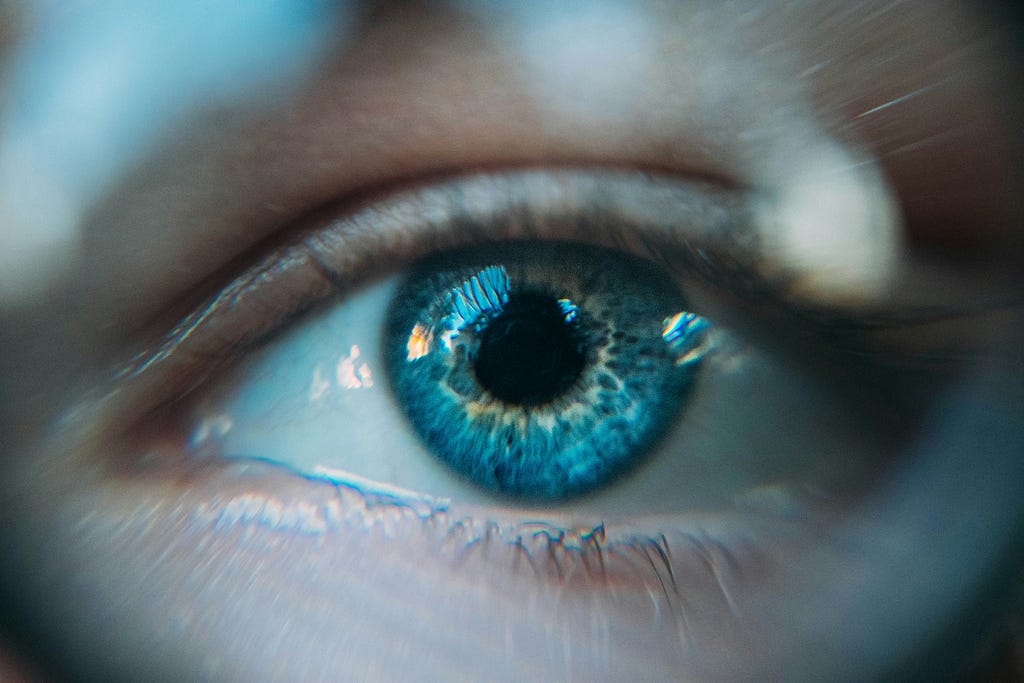
Computer vision is a field of artificial intelligence (AI) that enables computers and systems to “see” and interpret the world from visual input, such as images and videos. By leveraging machine learning ng techniques, computer vision algorithms can extract meaningful information from visual data, allowing machines to understand and respond to their surroundings in a way similar to humans. This technology has various applications across various industries, from self-driving cars and medical imaging to security and surveillance, transforming how we interact with technology and the world around us.
How Computer Vision Works
Computer vision systems use various techniques to process and interpret visual information. These techniques include:
- Image acquisition: Capturing digital images or videos using cameras or other sensors.
- Pre-processing: Enhancing the quality of the image by removing noise, adjusting brightness and contrast, and correcting distortions.
- Feature extraction: Identifying and extracting relevant features from the image, such as edges, corners, and textures.
- Object detection and recognition: Identifying and classifying objects within the image, such as people, cars, and buildings.
- Scene understanding: Interpreting the overall context of the image, including the relationships between objects and the environment.
Applications of Computer Vision
Computer vision has a broad range of applications across various industries, including:
- Autonomous vehicles: Self-driving cars use computer vision to perceive their surroundings, detect obstacles, and navigate roads safely.
- Healthcare: Computer vision assists in medical image analysis, enabling faster and more accurate diagnosis of diseases.
- Security and surveillance: Computer vision is used in security systems for facial recognition, object tracking, etc.
- Retail analytics: Computer vision helps retailers understand customer behavior, optimize store layouts, and track inventory.
- Agriculture: Computer vision is used for crop monitoring, yield estimation, and automated harvesting.
Examples of Computer Vision in Action
Here are some examples of how computer vision is being used in real-world applications:
- Google Image Search: This popular search engine uses computer vision to identify and classify images based on their content, allowing users to search for images using keywords or uploading photos.
- Facebook Facial Recognition: Facebook uses computer vision to tag people in photos based on facial features automatically.
- Amazon Go: This cashier-less store concept uses computer vision to track customers’ movements and purchases, allowing them to walk out of the store without waiting in line to pay.
Computer vision is a rapidly evolving field of AI with the potential to revolutionize various industries and aspects of our daily lives. By enabling machines to “see” and interpret the world, computer vision is paving the way for more innovative, efficient, and intuitive technologies that can enhance productivity, safety, and overall quality of life. As research and development in computer vision continue to advance, we can expect even more innovative and impactful applications to emerge.
Computer Vision was originally published in AI Evergreen on Medium, where people are continuing the conversation by highlighting and responding to this story.